Forge FX
My own FX toolkit inside Maya: fracture, rigid bodies, metal bending, glass cracking, fire and smoke, and FLIP water, all driven from a node-based Flow editor.
Why I built it
tyFlow made procedural FX in 3ds Max fast and fun. I wanted that inside Maya, previewed live in RenderForge, without exporting to another package. Forge FX is that toolkit: destruction, metal, water, smoke and fire in one place.
Destruction
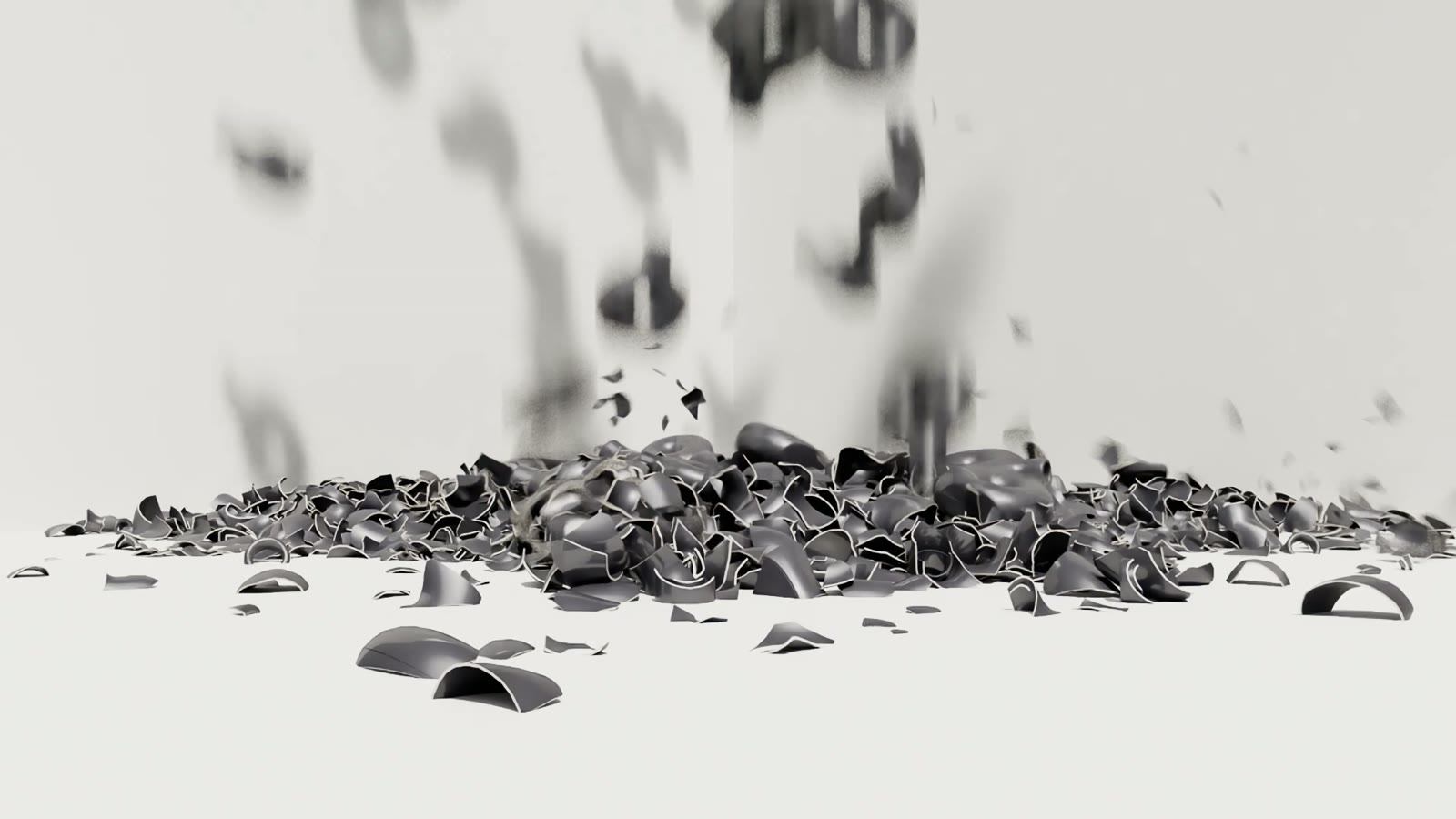
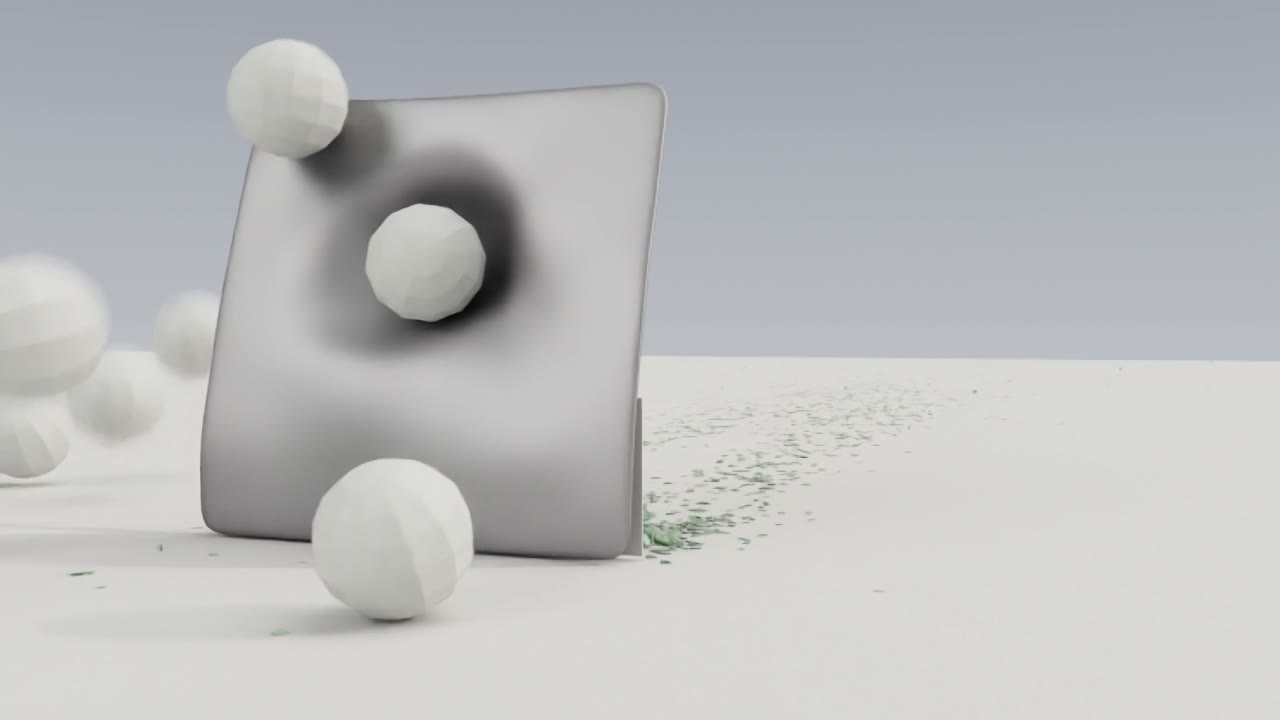
- Voronoi fracture with uniform, impact-focused and radial glass patterns.
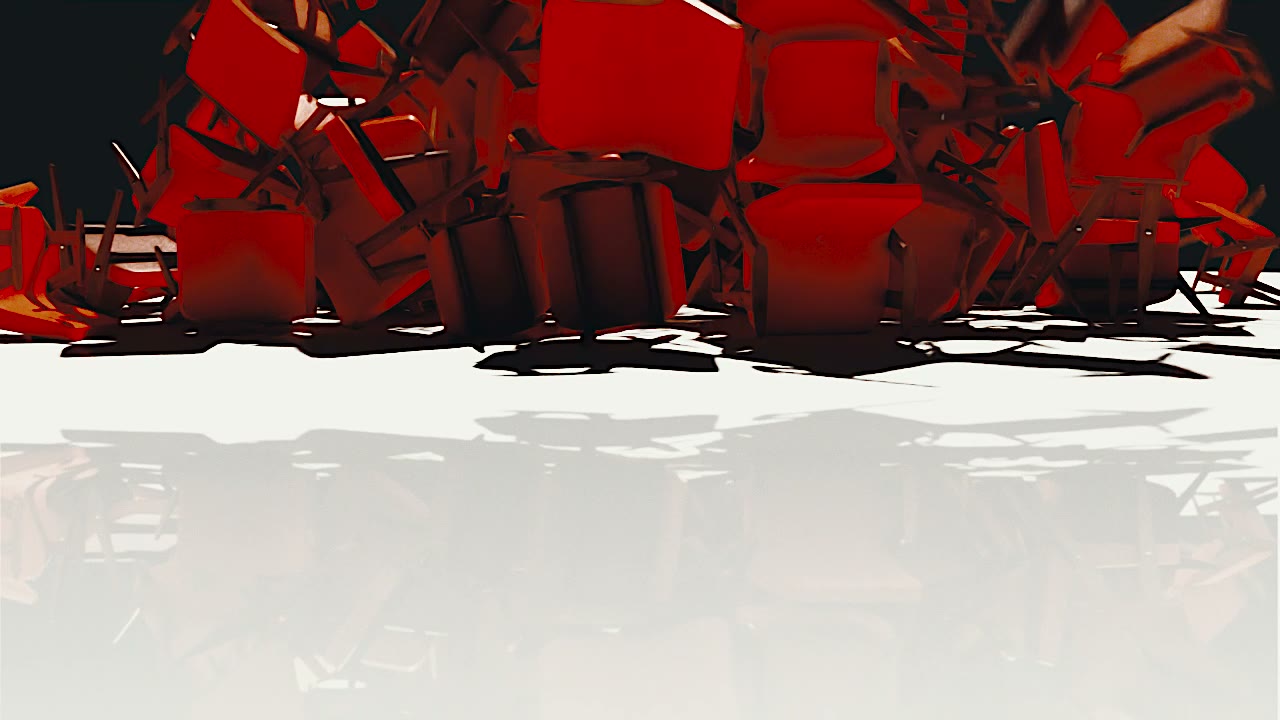
- Rigid bodies with glue and break strength, so walls hold until something hits them hard enough.
- Hold options: stand on the ground, stay put until hit, or stay in a frame like car windows that crack first and fall out later.
- Break More boxes that shatter just the debris inside them into finer pieces.
Fast enough to play with
The first rigid-body solver was too slow for a 400-piece wall. I rebuilt it: collision runs on every CPU core and the solver uses a modern soft-step method. One Simulate click on 400 pieces over 120 frames went from about 17 s to 2.2 s, and fracturing 400 pieces from 5.2 s to 1.4 s.
Live, node-based simulation
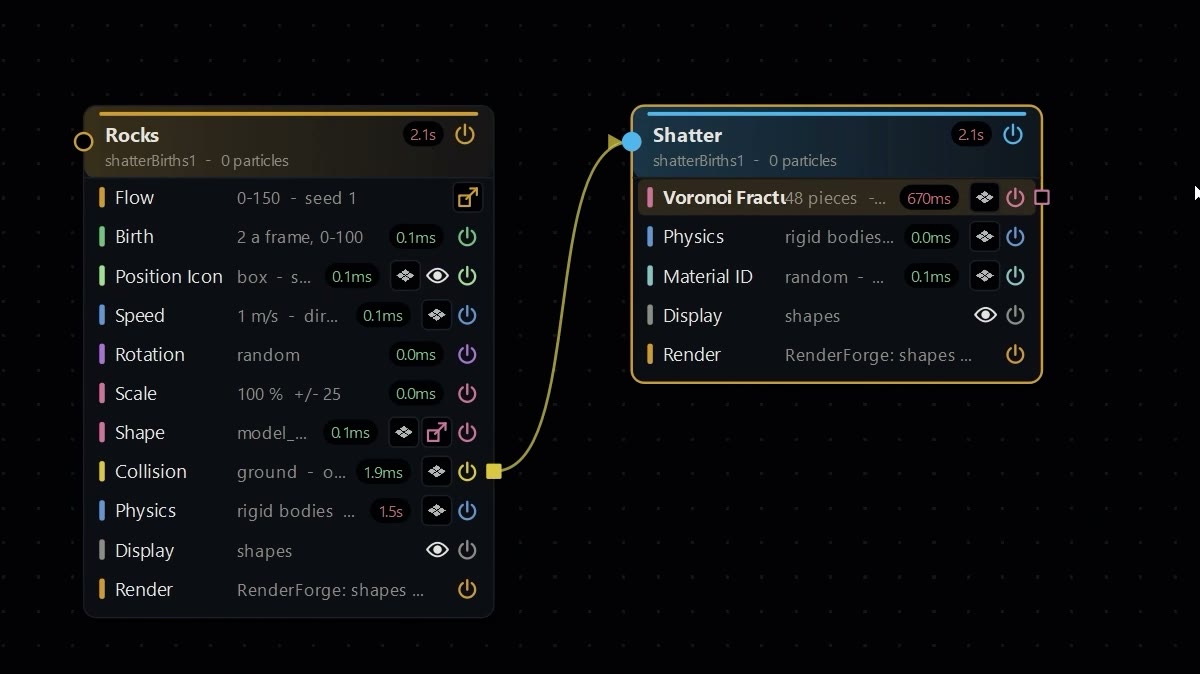
Like tyFlow, the simulation is a network of nodes in Maya's own graph, so it updates as you scrub the timeline (about 31 ms a frame for up to 250 pieces). Objects can be linked into one shared world, and explosions can push pieces. The Flow editor lays the same setup out as node cards.
Metal that bends
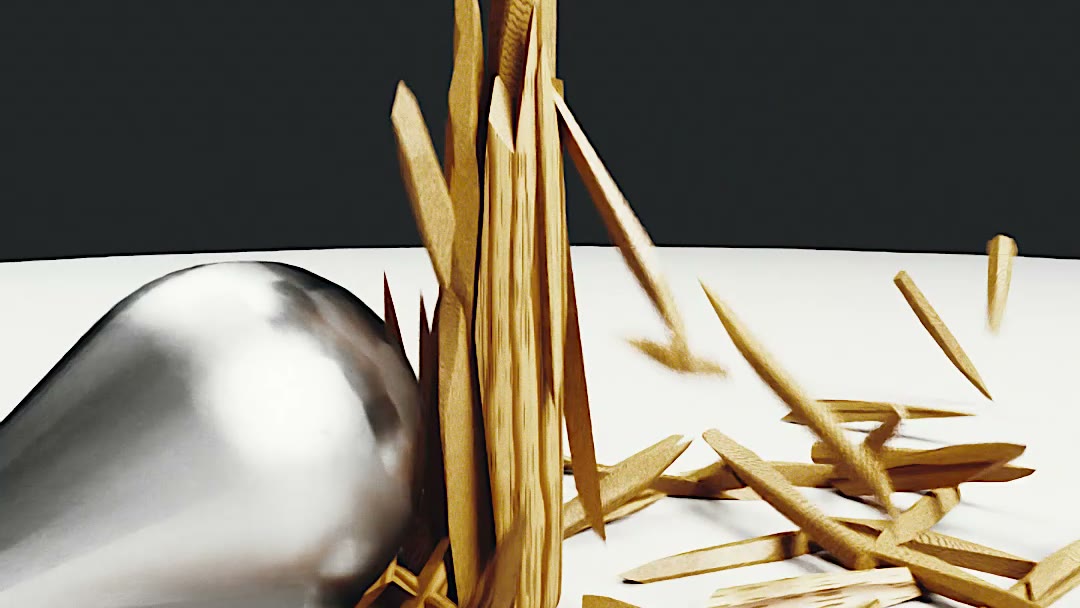
Pieces can be joined so a beam or sheet bends like steel, stays bent, and tears past a limit. Solving the joints one at a time could never keep a long beam stiff, so they are solved all at once with a sparse direct solver, and a smooth skin keeps the bent metal looking like one surface.
Water
- FLIP fluid on a grid, around 0.7 s a frame for 768,000 particles.
- Colliders can be rigged, animated meshes: a car from my Rig Builder can drive through the water.
- Inflows from picked faces, rivers along a path, endless seas, and whitewater spray, foam and bubbles.
- A GPU version runs the whole simulation step on the graphics card.
Smoke and fire
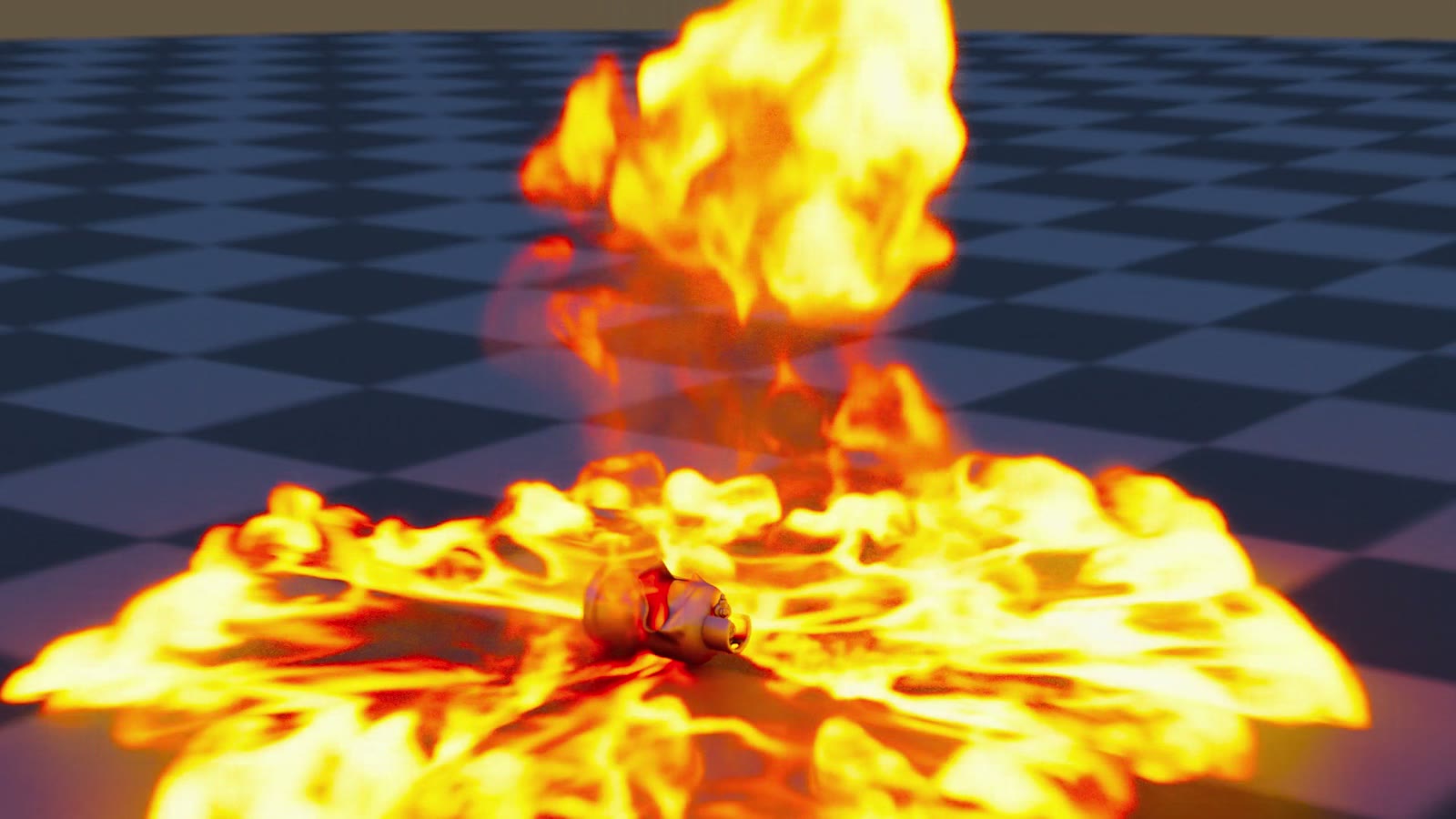
- Grid solver with combustion, buoyancy, vorticity and turbulence for fires and explosions.
- Tyre-burnout smoke that only appears where a wheel actually slips on the ground.
- A rocket thruster that keeps a solid jet even when the nozzle moves fast.
- The GPU version matches the CPU result exactly and is up to 11x faster at high resolution.
Built to be trusted
Simulations run in the background so Maya never freezes, caches are saved next to the scene so nothing is lost on reopen, and more than 500 automated tests guard against regressions.