RenderForge
A complete render suite for Maya 2023: a real-time ray-traced viewport, final-frame path tracing with DLSS reconstruction, and an FX engine called Flow, inspired by tyFlow (itself inspired by 3ds Max’s PFlow).
Why I built it
I wanted a fast, modern path tracer that lives inside Maya 2023 and understands my own FX and rigging tools, so I could see final-quality light while I work instead of waiting for test renders. RenderForge started as a small experiment and grew into a full render suite.
How it works
Maya exports the scene to a compact binary format and the renderer runs as a separate GPU process, so Maya never freezes while it renders. The image streams back progressively, so you watch it clean up the way you would in Redshift or V-Ray.
From CPU to RT cores
- Version 1 was a CPU path tracer.
- Moving the whole integrator to CUDA on the GPU made it about 17x faster than using every CPU core.
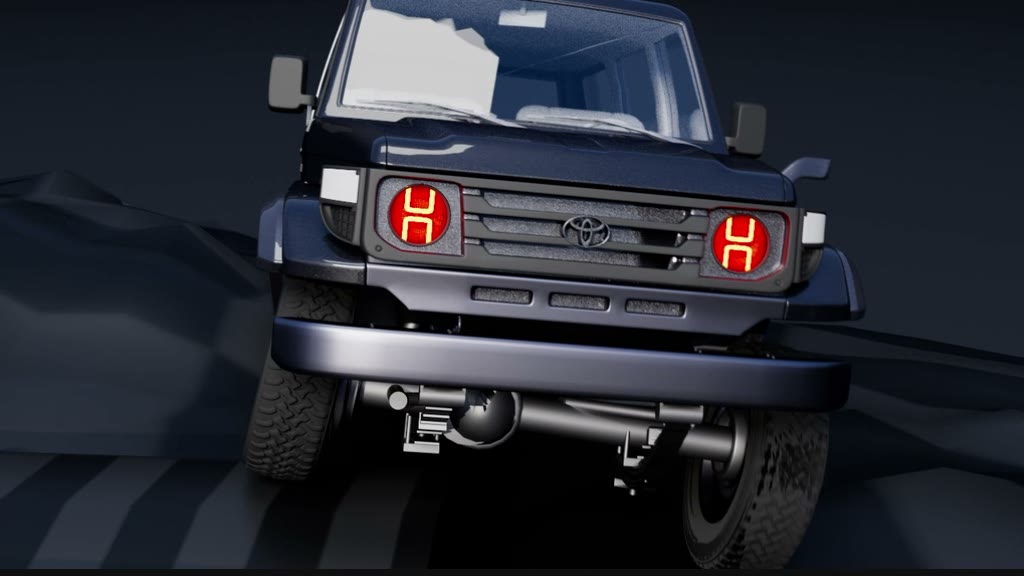
- Moving ray tracing to NVIDIA OptiX put the RT cores to work: primary rays got 7 to 9x faster again, and a 1280x720, 256-sample car frame dropped from 12.5 s to 3.2 s with an identical image.
- A full 4K test frame renders in 2 minutes 23 seconds.
What it renders
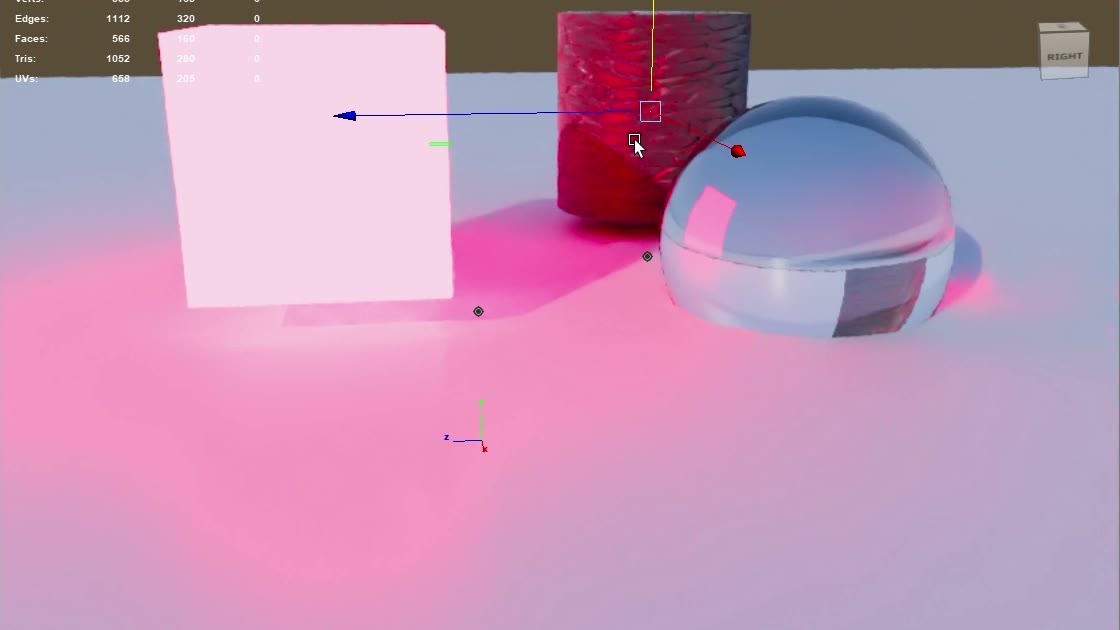
- Physically based materials: rough metals, clearcoat car paint, smooth and frosted glass with true Fresnel and Beer-Lambert absorption.
- Directional, point, spot and soft rectangular area lights, plus a procedural sky and sun.
- Textures from any Maya shader, not only one material type.
- Depth of field, motion blur, adaptive sampling and AI denoising with DLSS reconstruction.
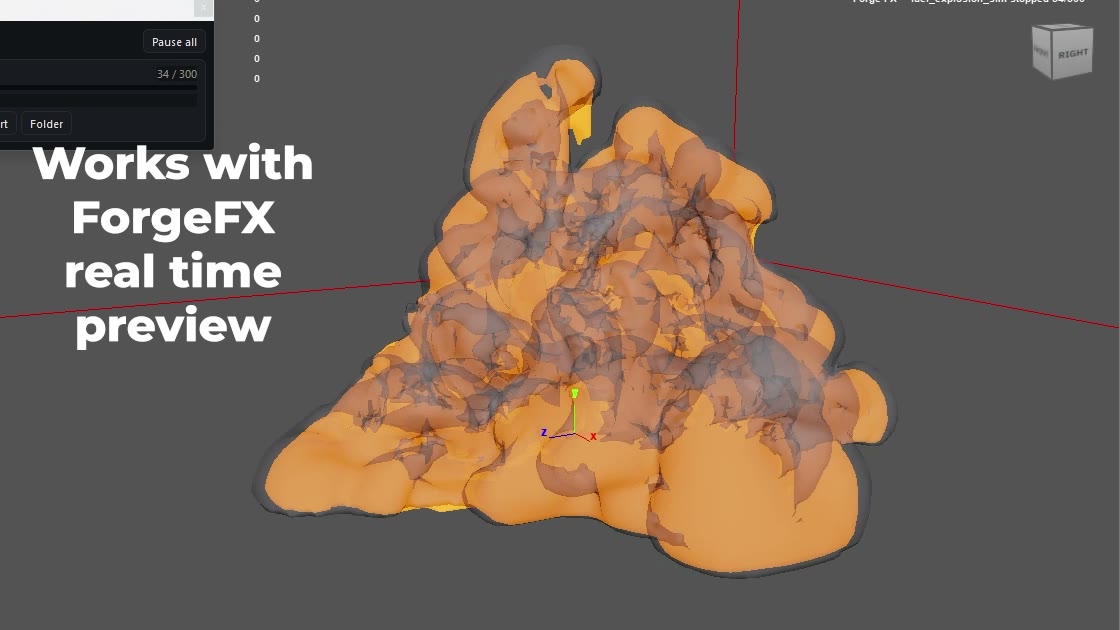
- Fire and smoke volumes and whitewater straight from Forge FX simulations.
- Render elements for compositing: albedo, normal, depth, Cryptomatte and Light Mix.
Built for a Maya artist's workflow
RenderForge registers as a real Maya renderer, so it appears under Render Using with V-Ray-style Render Settings. It has its own frame buffer where exposure, contrast and saturation change live without re-rendering, a render queue, animation sequences that keep the GPU scene warm between frames, and a live ray-traced viewport that follows every edit you make.
Problems worth solving
The first GPU version was no faster than the CPU. The cause was hidden 64-bit maths, which this card runs at 1/64 of 32-bit speed; forcing every constant to 32-bit made it 17x faster. Windows also kills any GPU job that runs longer than a couple of seconds, so frames are rendered as many short passes that add up into one image.
Status
In active development for Maya 2023, planned as a monthly or perpetual licence.